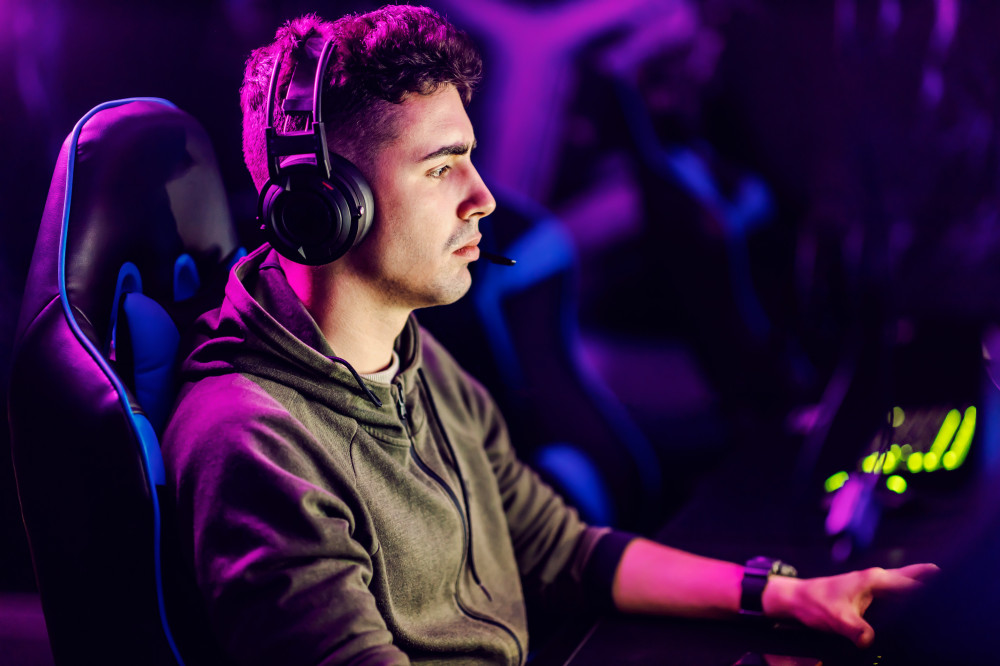
Responsible Gaming as Training in Analytical Skills and Discipline

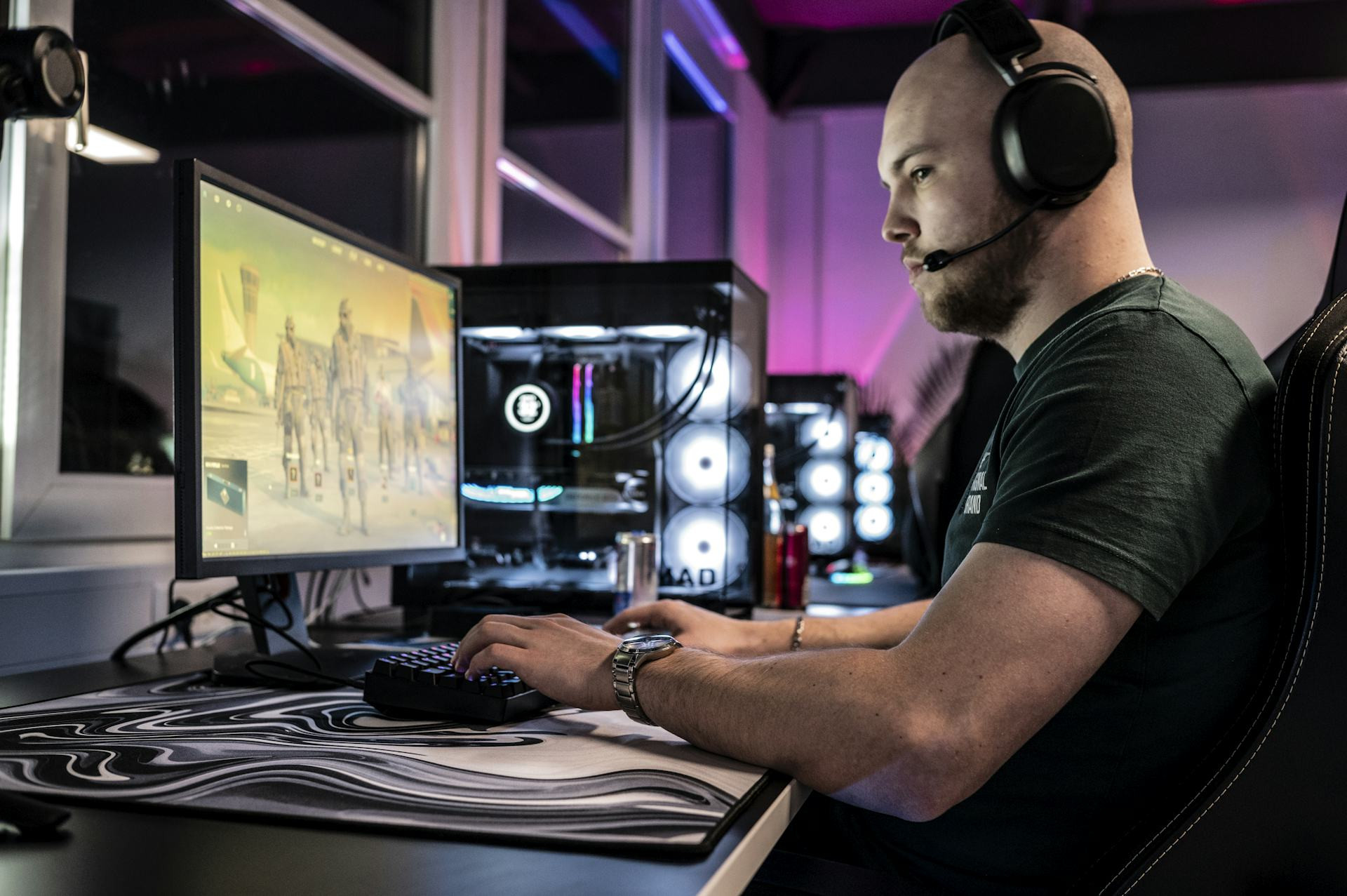
Responsible Gaming as Training in Analytical Skills and Discipline
For many Americans, gaming is associated with entertainment, excitement, and social connection. But when practiced responsibly, it can also serve as an exercise in analytical thinking, risk management, and self-discipline. Responsible gaming is not only about avoiding losses—it’s about understanding probabilities, making rational decisions, and recognizing personal limits. In this way, it can function as a form of mental training that strengthens skills useful far beyond the gaming table.
Analytical Thinking – Understanding Probabilities and Patterns
A key element of responsible gaming is the ability to analyze data and probabilities. Whether it’s sports betting, card games, or strategy-based games, success depends on evaluating information and distinguishing between randomness and recognizable patterns.
For example, in sports betting, the goal isn’t to guess but to assess statistics, team performance, and external factors such as injuries or weather conditions. This requires an analytical mindset—thinking in terms of probabilities rather than emotions. The ability to interpret data and make informed judgments can easily transfer to other areas of life, from financial planning to problem-solving at work.
Discipline – The Art of Sticking to a Strategy
Discipline is one of the most important traits in responsible gaming. It’s about knowing when to stop and staying true to a plan, even when emotions run high. Many players know the temptation to “chase losses” or bet more than intended. The ability to resist that impulse is a powerful exercise in self-control and long-term thinking.
Setting a budget, sticking to it, and accepting outcomes—win or lose—builds discipline that can strengthen financial responsibility and decision-making in everyday life. It’s a reminder that consistency and restraint often lead to better results than impulsive reactions.
Emotional Balance – Managing Wins and Losses
Gaming naturally stirs emotions. The thrill of a potential win and the disappointment of a loss can cloud judgment. Responsible gaming therefore also involves maintaining emotional balance and making rational choices even when feelings are intense.
Learning to handle both success and failure without losing perspective is an important part of personal growth. It’s similar to sports, where mental resilience often determines performance. The player who can stay calm and focused is more likely to make sound decisions—both in gaming and in life.
Strategic Thinking and Planning
Many games require strategic planning, especially those that involve resource management, anticipating opponents, and thinking several moves ahead. This kind of strategic thinking trains the ability to plan, foresee consequences, and adjust tactics as situations change.
Such skills are valuable in many contexts—from business management to personal goal setting. Strategic thinking combines analysis, intuition, and experience to make the best possible decisions under uncertainty.
Læs også:



Responsibility as a Core Value
At the heart of responsible gaming lies awareness. It’s about knowing your limits, understanding risk, and playing for enjoyment rather than as a path to quick profit. In the United States, many gaming platforms and casinos now offer tools such as deposit limits, time-outs, and self-exclusion programs to help players stay in control.
By using these tools and reflecting on one’s gaming habits, players can develop a healthy relationship with gaming—one that emphasizes learning, analysis, and discipline over impulse and chance.
Gaming as Mental Training – When Done with Intention
When approached responsibly, gaming can be more than just a pastime. It can be a way to train the mind—to strengthen critical thinking, planning, and focus. But this requires respect for both oneself and the nature of the game.
Ultimately, responsible gaming is about balance: finding enjoyment in the challenge without losing perspective. Those who master that balance not only gain a better gaming experience but also develop valuable life skills that extend far beyond the game itself.
Læs også: