Fight Analysis in Boxing: Assessing Technique, Timing, and Precision

Fight Analysis in Boxing: Assessing Technique, Timing, and Precision
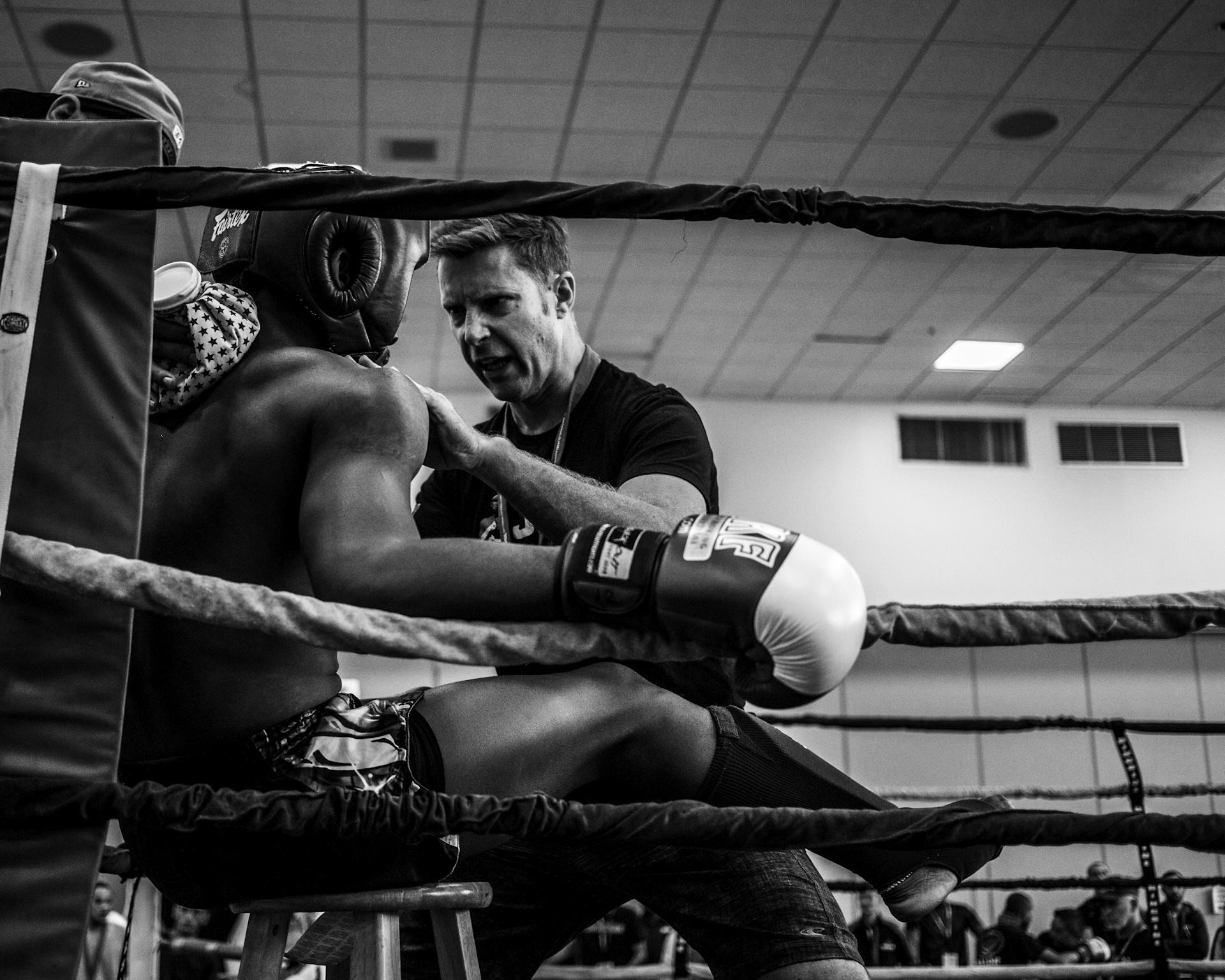
A boxing match is far more than two athletes trading punches. Behind every jab, slip, and combination lies a complex interplay of technique, timing, and precision. For coaches, analysts, and fans alike, fight analysis is a way to understand why one boxer prevails—and where the momentum shifts. This article explores how these three core elements define the art and science of boxing.
Technique – The Foundation of Every Fighter
Technique is the cornerstone of boxing. It’s not just about how a punch is thrown, but also about footwork, balance, and the ability to move efficiently inside the ring. A technically sound boxer can control the pace, create angles, and minimize exposure to counterattacks.
When analyzing technique, experts often look at:
- Footwork: How does the boxer move in relation to the opponent? Does he or she maintain balance while attacking and defending?
- Punch variety: Does the fighter use a mix of jabs, hooks, and uppercuts, and can they flow naturally from one to another?
- Defensive skills: How are incoming punches handled—through parries, head movement, or distance control?
A technically skilled boxer can often offset a lack of raw power. Precision and movement allow them to dictate the fight tactically, forcing opponents to fight on their terms.
Timing – The Art of Striking at the Right Moment
Timing is what separates a good boxer from a great one. It’s not just about speed—it’s about anticipation, reading the opponent, and reacting in the split second when an opening appears.
A boxer with excellent timing can:
- Counter effectively: Land a punch just as the opponent commits to an attack.
- Disrupt rhythm: Change tempo and surprise with unexpected combinations.
- Control distance: Step in and out of range at precisely the right moment.
In modern fight analysis, timing is often studied through slow-motion footage, revealing how a boxer reads and reacts. It’s here that one can see whether a fighter relies on instinct, strategy, or a blend of both—and how much of the bout is driven by feel rather than brute force.
Precision – When Every Punch Counts
Precision is the ability to land clean, effective punches. In today’s analytical world, it’s often measured statistically: how many punches land versus how many miss. But precision is also about the quality of those connections.
A precise punch can shift the momentum of a fight, even if it’s not the hardest shot. It can earn respect, open up combinations, and force the opponent to adjust. Analysts therefore look not only at how many punches land, but also where they land—on the chin, temple, or body—and how they affect the opponent’s behavior.
Læs også:

The Interplay of Technique, Timing, and Precision
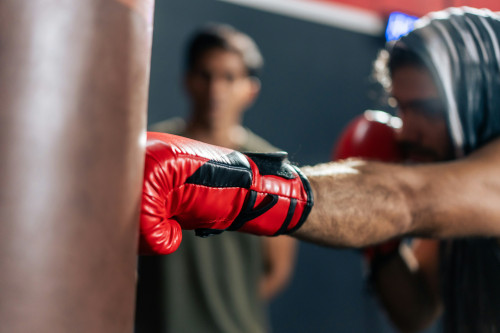
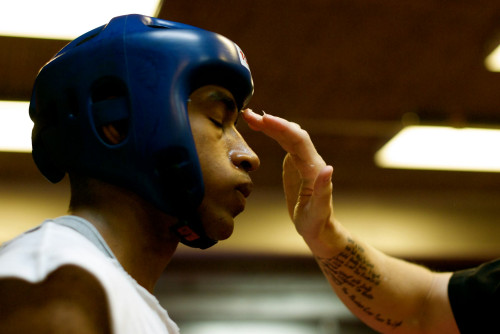
Technique, timing, and precision are inseparable. Strong technique enables better timing; good timing creates opportunities for precise strikes; and precision turns both into tangible results. A fighter who masters all three can control the rhythm, dictate distance, and adapt to any style.
When analyzing a fight, it’s essential to see the whole picture: How does the boxer use technique to set the pace? How does timing open the door for clean shots? And how does precision translate those openings into dominance?
Fight Analysis in Practice
In the U.S., professional trainers and analysts increasingly rely on video breakdowns, data tracking, and performance software to map patterns in fighters’ behavior. They study how a boxer reacts under pressure, how often certain punches land, and how movement changes as fatigue sets in.
But even without advanced tools, fans can sharpen their eye for analysis by watching for:
- How the jab is used to control distance.
- Whether the boxer moves laterally or stays on a straight line.
- How the fighter responds after being hit—does he lose focus or adjust strategically?
These observations reveal far more than the scorecards ever could, offering insight into the mental and tactical layers of the sport.
From Analysis to Appreciation
Ultimately, fight analysis is about understanding boxing as a strategic craft. It’s a dance between two athletes where intelligence, timing, and technique matter as much as strength and endurance. When you learn to notice the subtle details—the footwork, the rhythm shifts, the pinpoint punches—the sport opens up in a new way.
For anyone who wants to truly appreciate boxing, analysis isn’t just a tool—it’s a key to seeing the beauty of the sport: the perfect balance between power and control.
Læs også: