From the Sport of Nobility to the People’s Passion: The History of Horse Racing

From the Sport of Nobility to the People’s Passion: The History of Horse Racing
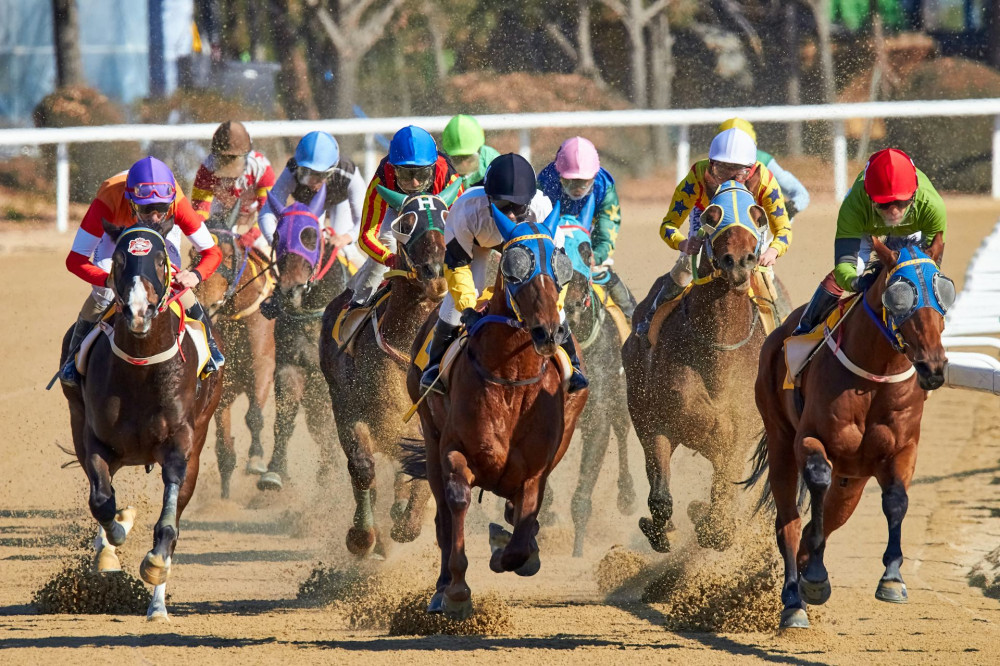
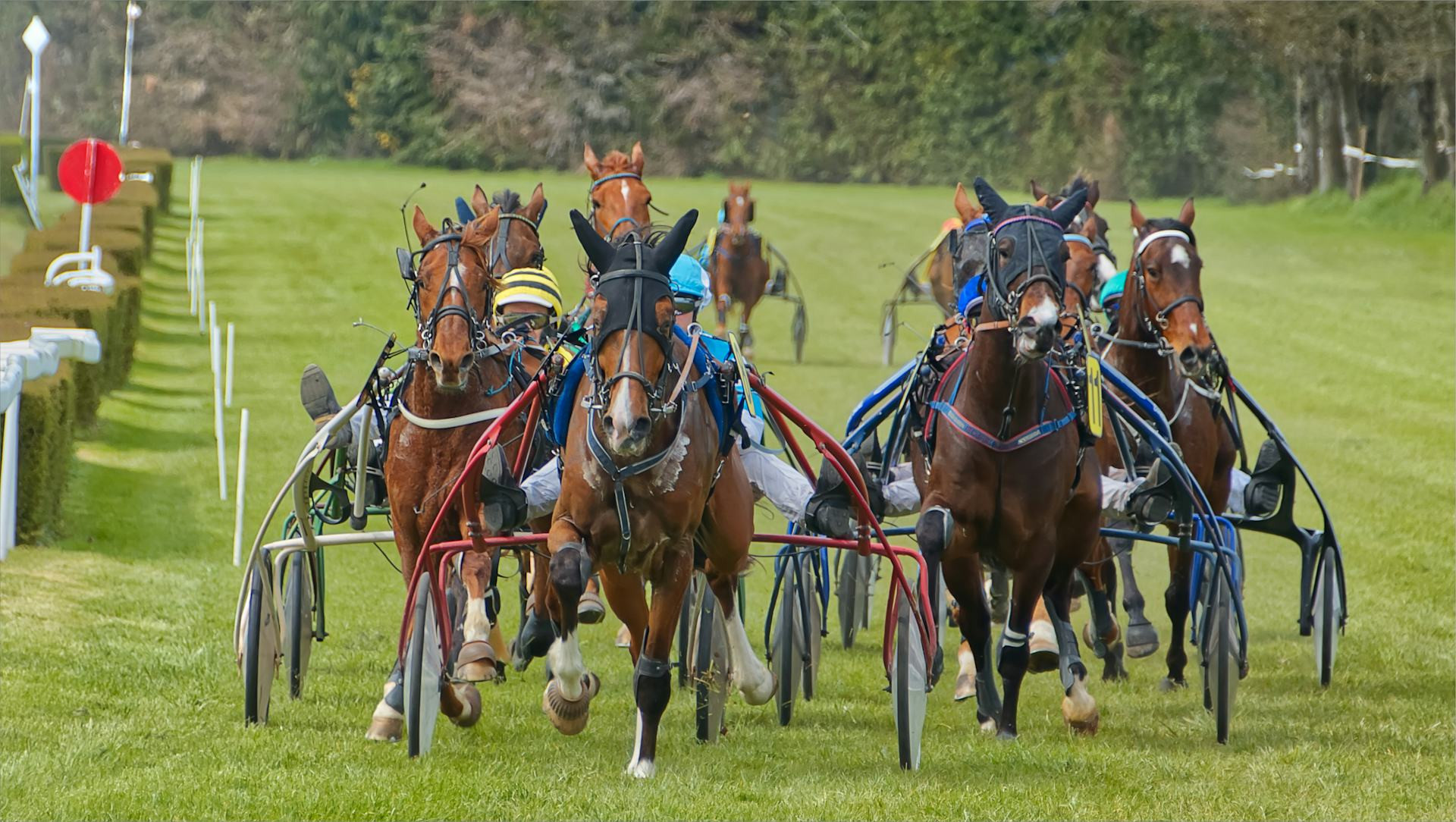
For centuries, horse racing has symbolized speed, grace, and competition. From the private estates of English aristocrats to the roaring grandstands of modern racetracks, the sport has evolved into a global phenomenon. In the United States, horse racing is both a cherished tradition and a thrilling spectacle that blends history, culture, and excitement.
The Early Days – A Pastime for Kings and Aristocrats
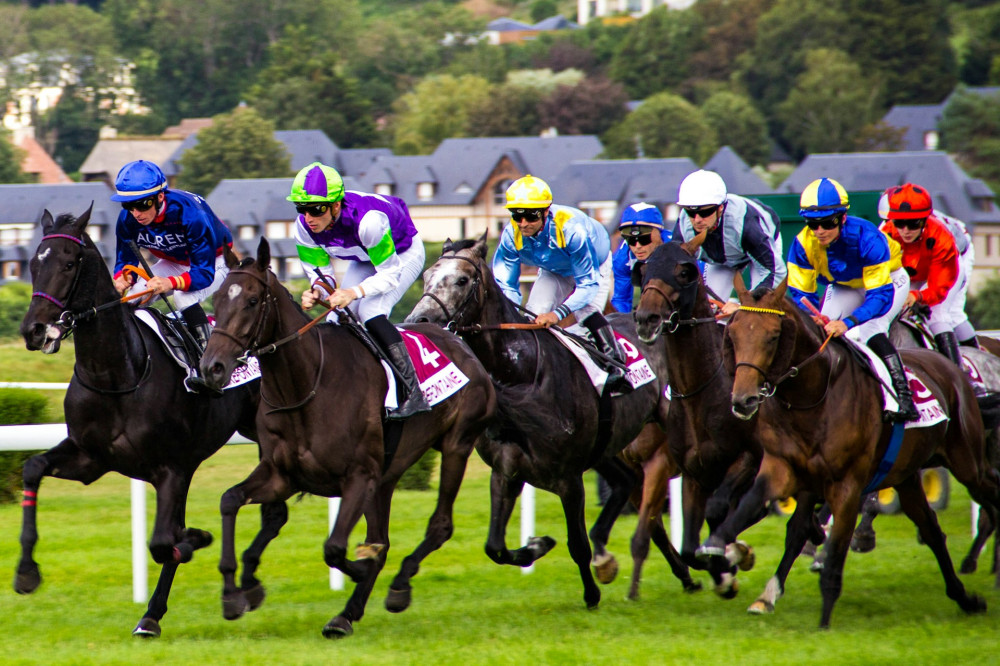
The roots of horse racing stretch back to ancient civilizations, where chariot races entertained crowds in Greece and Rome. But the modern form of the sport took shape in 17th-century England. There, the nobility organized races to showcase their horses’ strength and breeding. King Charles II, known as the “Merry Monarch,” was an avid rider who helped formalize the sport by establishing rules and prizes. Newmarket, one of the earliest organized racecourses, became the heart of English racing and earned the sport its nickname: “the sport of kings.”
Læs også:
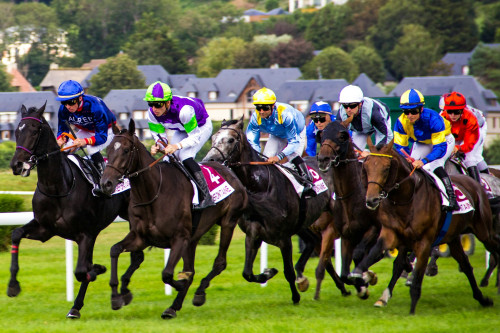
Crossing the Atlantic – The Birth of American Racing
Horse racing arrived in North America with the British colonists. The first recorded race took place in 1665 on Long Island, New York, under the patronage of Governor Richard Nicolls. Over the next two centuries, racing spread across the colonies and into the young United States. By the 19th century, tracks were being built from New York to Kentucky, and the sport became a favorite pastime for both the wealthy and the working class.
The establishment of the Kentucky Derby in 1875 marked a turning point. Modeled after England’s Epsom Derby, it quickly became an American institution. Today, the Derby—along with the Preakness Stakes and the Belmont Stakes—forms the Triple Crown, the pinnacle of American horse racing.
From Elite Circles to Public Entertainment
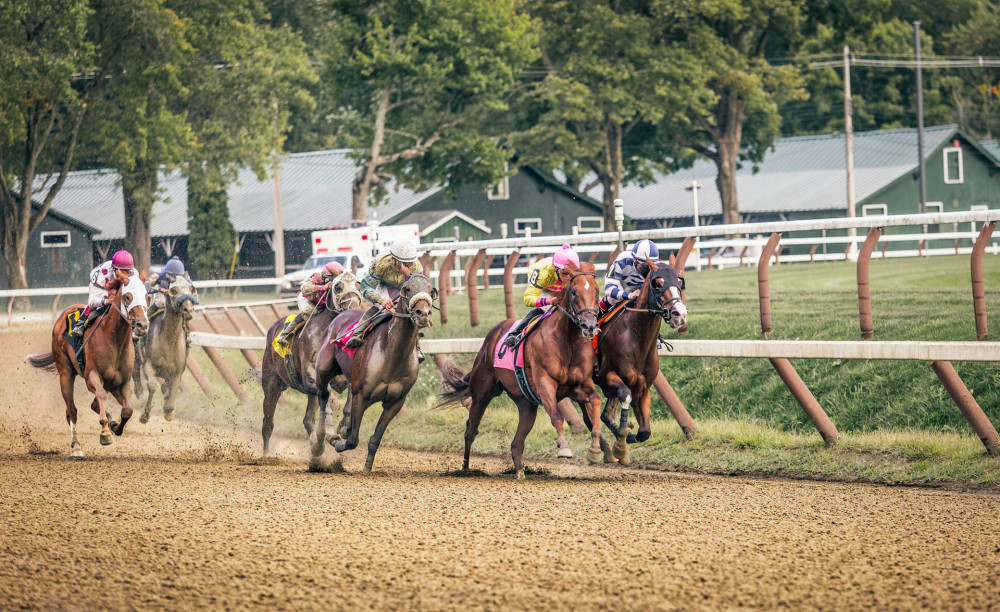
As cities grew and transportation improved, horse racing became accessible to a broader audience. Railroads allowed fans to travel to major tracks, and betting added an extra layer of excitement. By the early 20th century, racetracks like Churchill Downs, Belmont Park, and Santa Anita had become cultural landmarks. The sport’s combination of athleticism, glamour, and chance drew crowds from all walks of life.
The introduction of pari-mutuel betting systems in the early 1900s helped regulate wagering and provided a steady source of revenue for the tracks. Horse racing was no longer just a pastime for the elite—it was a national entertainment industry.
Breeding, Training, and the Science of Speed
Behind every race lies a world of dedication and expertise. Breeding thoroughbreds is both an art and a science, with bloodlines carefully managed to produce the perfect balance of speed, stamina, and temperament. Kentucky’s Bluegrass region, with its rich limestone soil, became the epicenter of American horse breeding, home to legendary farms and sires.
Training a racehorse requires patience, precision, and deep understanding. Jockeys and trainers work tirelessly to prepare horses for the split-second decisions and bursts of power that define a race. Advances in veterinary medicine, nutrition, and technology have improved performance and safety, while modern regulations emphasize animal welfare and strict anti-doping measures.
A Global Sport with American Traditions
Today, horse racing is a global industry, with major events drawing millions of viewers around the world. From the Kentucky Derby’s “Run for the Roses” to the Breeders’ Cup and the Dubai World Cup, the sport continues to captivate audiences with its blend of tradition and drama.
In the United States, horse racing remains deeply woven into the cultural fabric. Derby Day in Louisville is as much about fashion, mint juleps, and community as it is about the race itself. Across the country, smaller tracks keep local traditions alive, offering a more intimate connection between fans, horses, and riders.
From Royal Pastime to People’s Passion
Horse racing has traveled a long road from the private fields of English nobility to the bustling racetracks of modern America. It has survived wars, economic downturns, and changing tastes, yet it continues to inspire with its timeless appeal. Whether you’re standing at the rail at Churchill Downs, watching a race on television, or simply admiring the power of a thoroughbred in full stride, it’s easy to feel the pulse of history.
Once the sport of kings, horse racing has become the people’s passion—a living link between past and present, tradition and thrill.
Læs også: