Get to Know the Biggest International Motorsports Series – and What Sets Them Apart

Get to Know the Biggest International Motorsports Series – and What Sets Them Apart
The world of motorsports is fast, diverse, and global. From Formula 1’s cutting-edge technology to the raw unpredictability of rally racing and the two-wheeled thrill of MotoGP, each series has its own culture, structure, and fan base. But what really sets the biggest international motorsports apart? Here’s a look at the most prominent series and what makes each of them unique.
Formula 1 – The Pinnacle of Motorsport
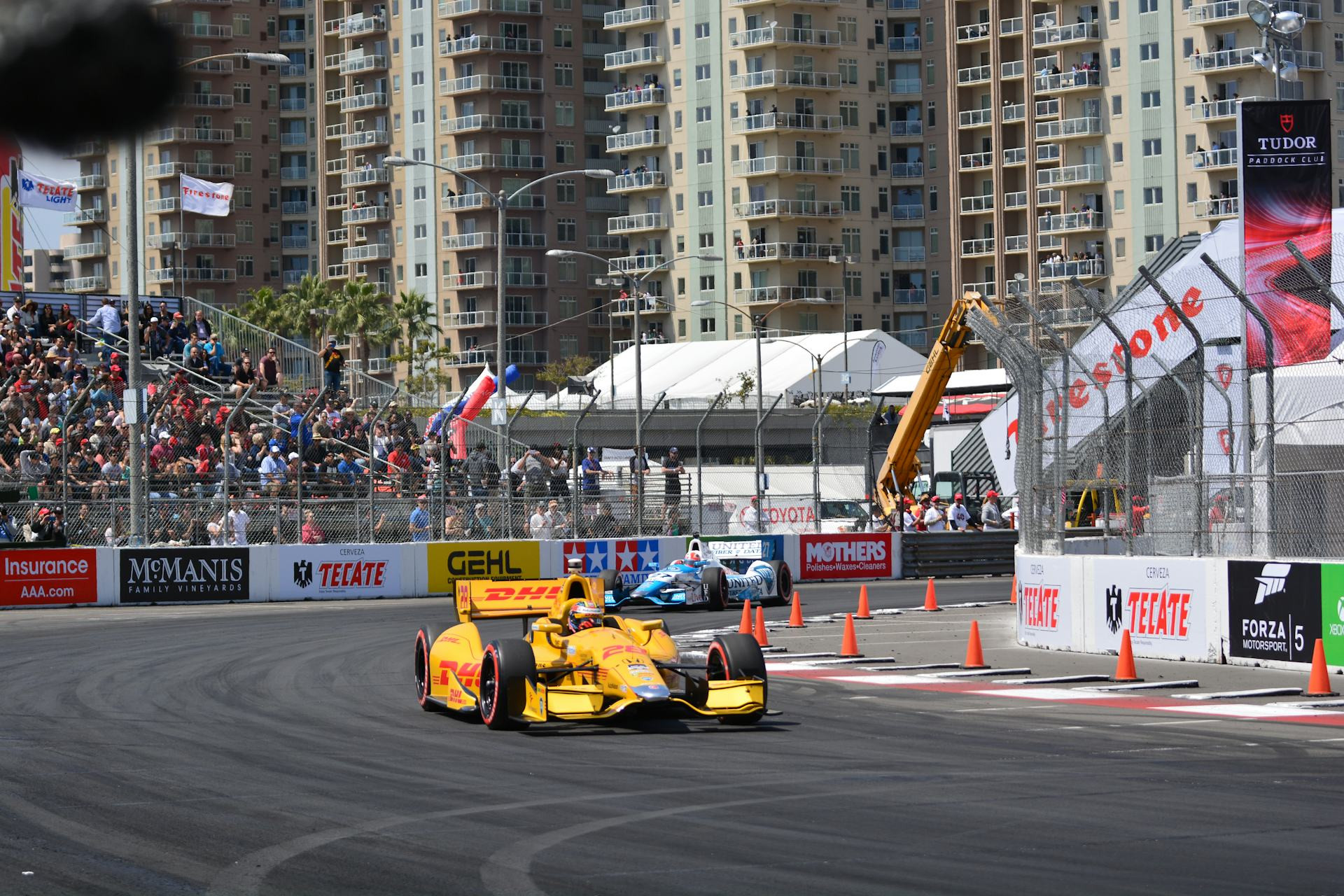
Formula 1 is the undisputed top tier of global motorsport. It brings together the world’s best drivers and the most advanced race cars in a globe-spanning championship that visits five continents. Known for its technological innovation, massive budgets, and glamorous image, F1 is as much about precision and strategy as it is about speed.
Each season features around 20–24 races, called Grands Prix, where teams like Ferrari, Mercedes, and Red Bull battle for the world championship. Every detail matters — from tire strategy to pit stop timing — and even the smallest mistake can change the outcome of a race.
Defining traits: High-tech, global, highly regulated, and focused on precision and strategy.
Formula E – The Electric Revolution
Formula E is the all-electric counterpart to Formula 1, launched in 2014 as the world’s first fully electric racing series. Races take place on temporary street circuits in major cities — from Rome to São Paulo — bringing motorsport closer to urban audiences while promoting sustainable technology.
All teams use identical chassis and batteries, which means driver skill and team strategy play a bigger role than budget. The series also features innovative elements like “Attack Mode,” which gives drivers a temporary power boost when activated.
Defining traits: Electric, sustainable, city-centered, and innovation-driven.
WRC – The World Rally Championship
The World Rally Championship (WRC) is motorsport at its most unpredictable and natural. Instead of racing on closed circuits, drivers tackle everything from icy Finnish forest roads to dusty desert trails in Kenya. It’s a test of speed, control, and adaptability under extreme conditions.
Each rally is divided into timed stages, and the driver with the lowest total time wins. Success depends on the teamwork between driver and co-driver, who reads pace notes and helps navigate the treacherous terrain.
Defining traits: Nature-based, extreme conditions, teamwork, and technical versatility.
MotoGP – Two Wheels, Maximum Adrenaline
MotoGP is the premier class of motorcycle racing, where the world’s best riders compete on machines capable of exceeding 215 mph (350 km/h). The series is famous for its intensity, close battles, and breathtaking overtakes.
Unlike car racing, rider skill, balance, and physical endurance are crucial. A small mistake can lead to a crash, and the margins between victory and defeat are razor-thin. Manufacturers like Ducati, Yamaha, and Honda use MotoGP as a testing ground for innovations that often make their way to production bikes.
Defining traits: High speed, physically demanding, dramatic, and visually spectacular.
NASCAR – American Tradition and Close Racing
NASCAR (National Association for Stock Car Auto Racing) is the heart of American motorsport. Most races take place on oval tracks, and the cars resemble production models — though they’re built for power, safety, and endurance.
Races are long, fields are large, and the action is constant, with frequent lead changes and close contact. NASCAR is as much about teamwork and pit strategy as it is about raw speed. Fans love its accessibility, patriotic atmosphere, and the sense of community that surrounds the sport.
Defining traits: American culture, oval tracks, close racing, and fan-friendly atmosphere.
Læs også:
Endurance Racing – The Art of Lasting the Distance
In endurance events like the FIA World Endurance Championship (WEC) and the legendary 24 Hours of Le Mans, success isn’t just about being the fastest — it’s about lasting the longest. Teams share the car among multiple drivers and must balance speed, fuel efficiency, and reliability.
The cars are often prototypes featuring advanced hybrid systems, and races can last anywhere from six to 24 hours. Endurance racing demands technical excellence, mental toughness, and flawless teamwork.
Defining traits: Long-distance, team-oriented, technologically advanced, and strategically complex.
What Sets Them Apart – and Why It Matters
While every motorsport series is about crossing the finish line first, their identities couldn’t be more different. Formula 1 represents the peak of technology and precision; WRC embodies nature’s unpredictability; MotoGP showcases human courage and reflexes; NASCAR celebrates American grit and fan culture; and Formula E points toward a sustainable future.
For fans — and for those who follow motorsport with an analytical or competitive eye — these differences are what make the sport so captivating. Each series demands its own approach to strategy, driving style, and adaptation to conditions like weather, tires, and track type.
Motorsport isn’t just one sport — it’s a universe of speed, innovation, and passion, where every series tells its own story.
Læs også: