Hardcourt Advantage: Why Big Servers Thrive

Hardcourt Advantage: Why Big Servers Thrive
When the tennis court is hard, fast, and true, one type of player almost always finds an extra gear: the big server. Hardcourt surfaces—used at tournaments like the US Open and the Miami Open—reward precision, power, and short rallies. But why do players with booming serves and aggressive styles thrive so consistently on this surface? The answer lies in physics, ball behavior, and the rhythm of the game.
A Surface Built for Speed and Consistency
Hardcourts are typically made of asphalt or concrete coated with acrylic layers. The result is a smooth, predictable surface that produces a high, fast bounce. Compared to clay, where the ball slows down and rallies stretch out, or grass, where the bounce stays low and can skid unpredictably, hardcourt offers a balanced but explosive playing experience.
For players with powerful serves, that means they can use the court’s speed to generate free points—either with aces or with quick one-two punches. It’s no coincidence that many of the sport’s greatest servers—from Pete Sampras to Serena Williams and John Isner—have built their legacies on hardcourt success.
Læs også:
The Serve as a Weapon
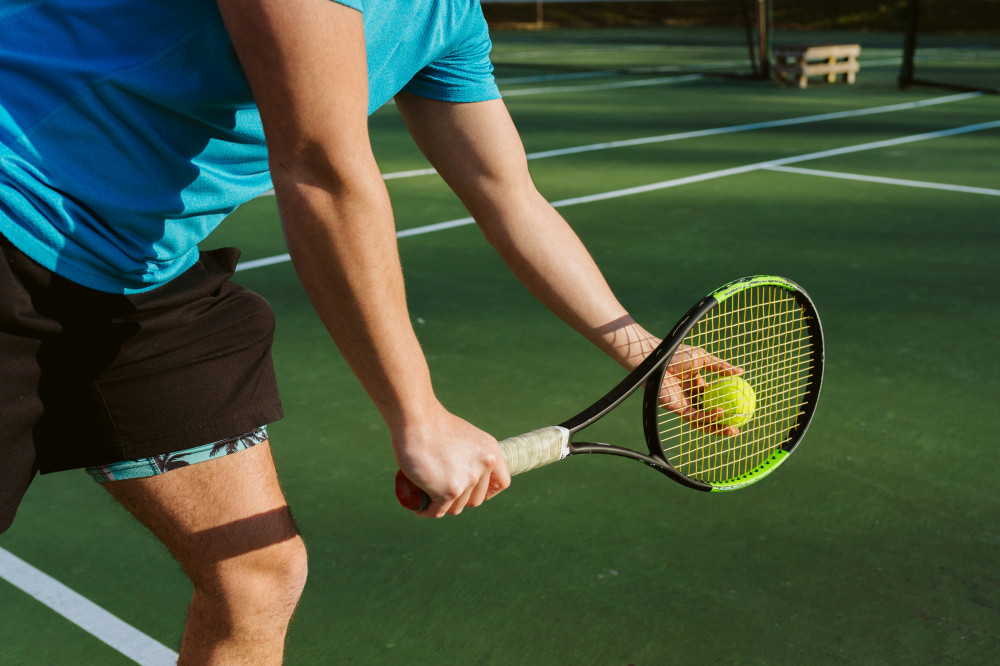
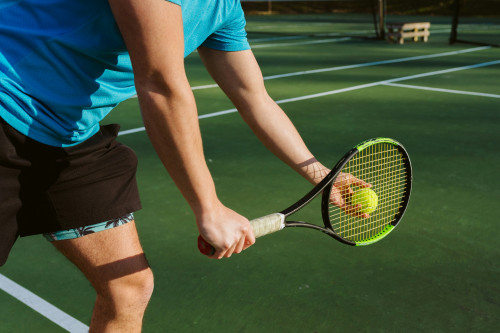
On hardcourt, the serve becomes one of the most decisive weapons in tennis. The firm surface provides a stable base, allowing players to generate maximum power and accuracy. The ball also travels faster through the air, cutting down the opponent’s reaction time.
A flat first serve can be nearly unreturnable, while a kick serve gains extra height and bite off the bounce. The combination of speed and variation keeps returners guessing—and that’s exactly what a big server wants.
Shorter Rallies, Greater Control
Hardcourt favors players who can finish points quickly. The fast pace means defensive specialists have less time to chase down shots. Instead, the surface rewards those who take initiative early in the rally.
For big servers, that translates into control over the tempo of the match. A strong first serve followed by an aggressive forehand often seals the point, reducing both physical strain and the risk of unforced errors. That’s one reason many players prefer hardcourt during long seasons: if you can win points efficiently, you conserve energy for the later rounds.
Technology and Adaptation
While hardcourts are generally fast, speed can vary from one tournament to another. The courts in Indian Wells, for example, are known to play slower, while the US Open traditionally offers quicker conditions. Players and coaches use analytics and video breakdowns to fine-tune serve technique, ball selection, and positioning to match each venue’s characteristics.
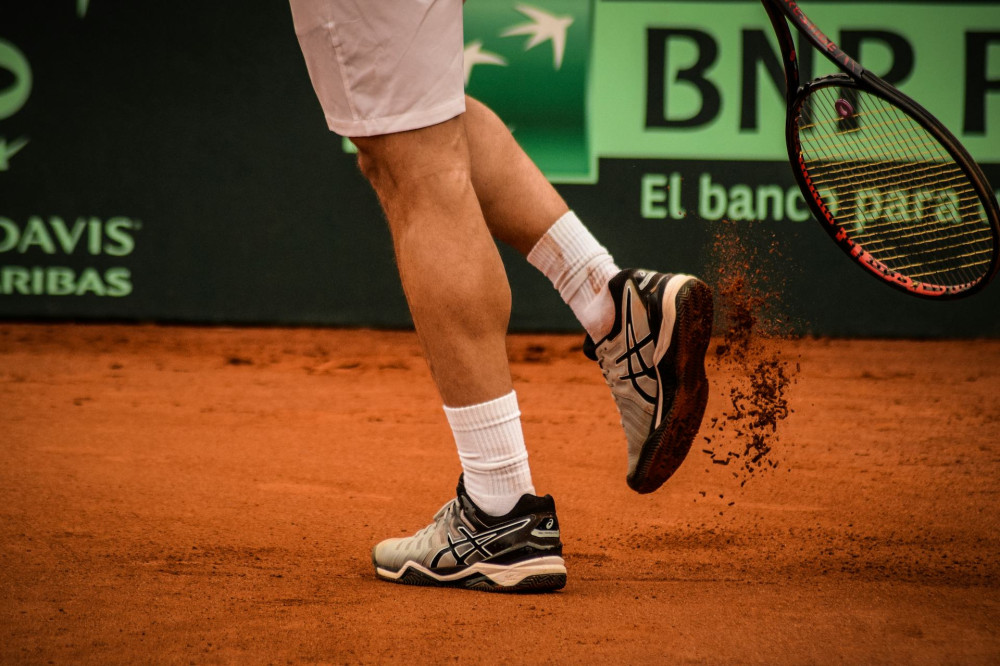
Modern equipment also enhances the hardcourt advantage. Tennis shoes are engineered for better grip and shock absorption, while racquets with stiffer frames help transfer more energy into the ball. Together, these innovations amplify the effectiveness of a powerful serve.
The Mental Edge
There’s also a psychological component. Big servers know that on hardcourt, they can rely on their primary weapon. That confidence is crucial in tight moments—especially in tiebreaks, where one or two points can decide the outcome. When a player believes they can end a rally with a single swing, the pressure eases, and composure takes over.
The Court of Balance
Hardcourt is often called the most “neutral” surface in tennis because it blends elements of both clay and grass. It allows for power and precision, but also rewards timing and tactical awareness. In practice, though, it’s still the big servers who reap the greatest benefits. The surface rewards courage, accuracy, and rhythm—the very traits that define the best servers in the game.
So the next time you watch a player dominate with their serve on hardcourt, remember: it’s not just raw power at work. It’s the perfect harmony of physics, technique, and surface—a hardcourt advantage that can make all the difference between victory and defeat.
Læs også: