Using Tournament History to Predict Tennis Match Outcomes


Using Tournament History to Predict Tennis Match Outcomes
Predicting the outcome of a tennis match isn’t just about luck—it’s about data, patterns, and understanding the nuances of the game. One of the most underrated yet powerful tools for assessing a player’s chances is analyzing their tournament history. By looking at how a player has performed in similar events, on the same surface, and against certain types of opponents, you can gain a much clearer picture of what’s likely to happen on court.
Why Tournament History Matters
Tennis is a sport where context is everything. A player who dominates on clay might struggle to find rhythm on grass. Another might thrive under the spotlight of a Grand Slam but falter in smaller ATP 250 events. Examining tournament history helps reveal these patterns and provides valuable clues about future performance.
For instance, some players consistently perform well in North American hardcourt tournaments but struggle during the European clay season. That can reflect differences in travel, climate, or even psychological comfort—factors that often go unnoticed but can heavily influence match outcomes.
The Role of Surface – Clay, Grass, or Hardcourt
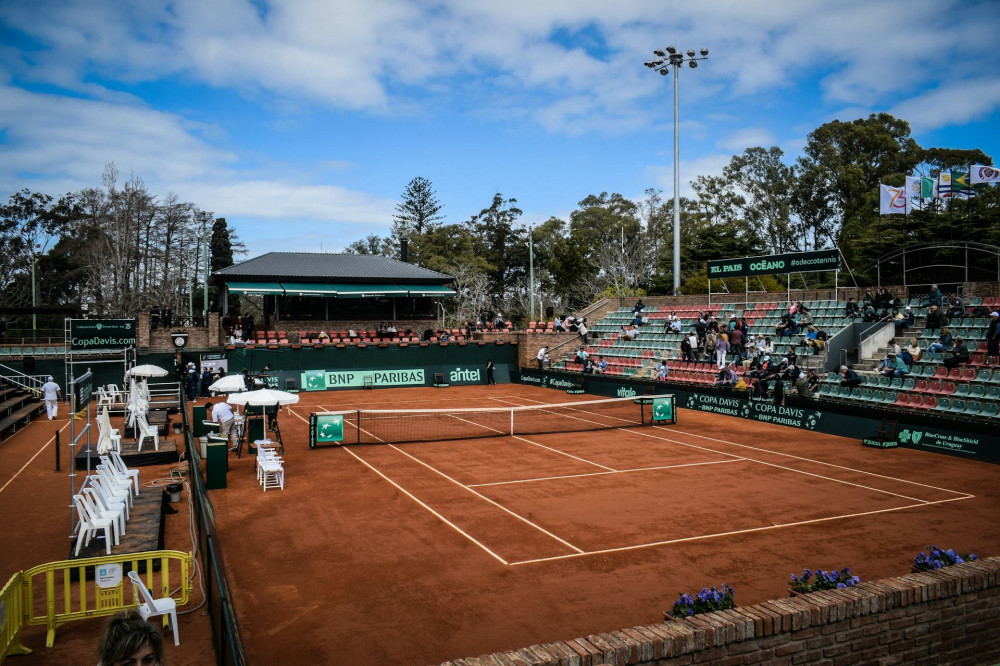
The playing surface is one of the most decisive factors in tennis. Each surface rewards a different style of play:
- Clay favors patient players with strong defense and endurance.
- Grass rewards big servers and those who attack the net.
- Hardcourt sits in between, demanding versatility and balance.
By analyzing a player’s win-loss record across surfaces, you can quickly identify their strengths and weaknesses. A player who wins 70% of their matches on hardcourt but only 40% on clay is unlikely to excel at Roland Garros, but might be a strong contender at the US Open.
Head-to-Head Records and Psychological Factors
Tournament history isn’t just about numbers—it’s also about relationships and mental edges. Some players simply have another’s number. Maybe their playing styles clash, or maybe past losses have created a psychological barrier.
Looking at head-to-head statistics can reveal these dynamics. If one player has lost five straight matches to the same opponent, it’s rarely a coincidence. It often means the opponent has found a tactical formula that works—and until that’s solved, the pattern tends to continue.
Læs også:



Form Trends and Seasonal Rhythm
A player’s current form is important, but it should always be viewed in the context of their historical performance. Some players peak early in the season, while others build momentum toward the summer or fall. Comparing past seasonal trends with current results can help you gauge whether a player is on an upswing or decline.
For example, certain players traditionally use the early hardcourt tournaments to find their rhythm before hitting top form during the spring clay season. Recognizing these patterns can help you anticipate when a player is most likely to perform at their best.
Use Data—But Use It Wisely
While tournament history offers valuable insights, tennis remains unpredictable. Injuries, weather, motivation, and daily form all play a role. Statistics should be treated as a guide, not a guarantee.
The best approach is to combine historical data with up-to-date information: recent training reports, injury updates, and performance in the last few matches. This holistic view provides a more realistic sense of how a player might perform in their next tournament.
From Analysis to Action
For fans and bettors alike, tournament history can be one of the most reliable tools for identifying value in match predictions. It’s not about guessing—it’s about understanding. By using historical performance as a foundation, you can spot trends that others might overlook.
Whether you’re analyzing for fun or with a strategic purpose, the key is curiosity. Tennis is constantly evolving, and the more you understand its rhythms, the more accurately you can anticipate its outcomes.
Læs også: