Play Responsibly: Set Limits on Time and Money at Slot Machines

Play Responsibly: Set Limits on Time and Money at Slot Machines
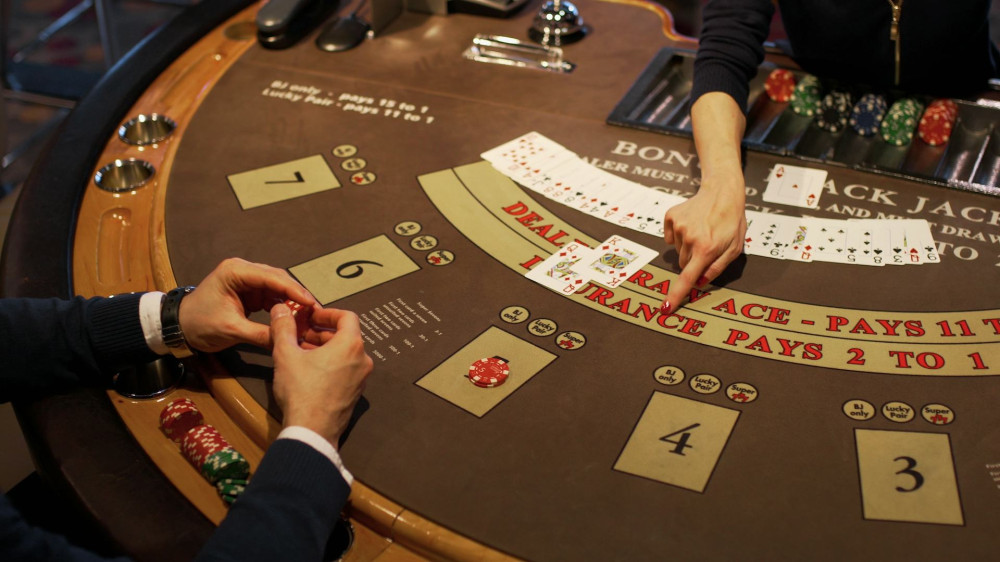
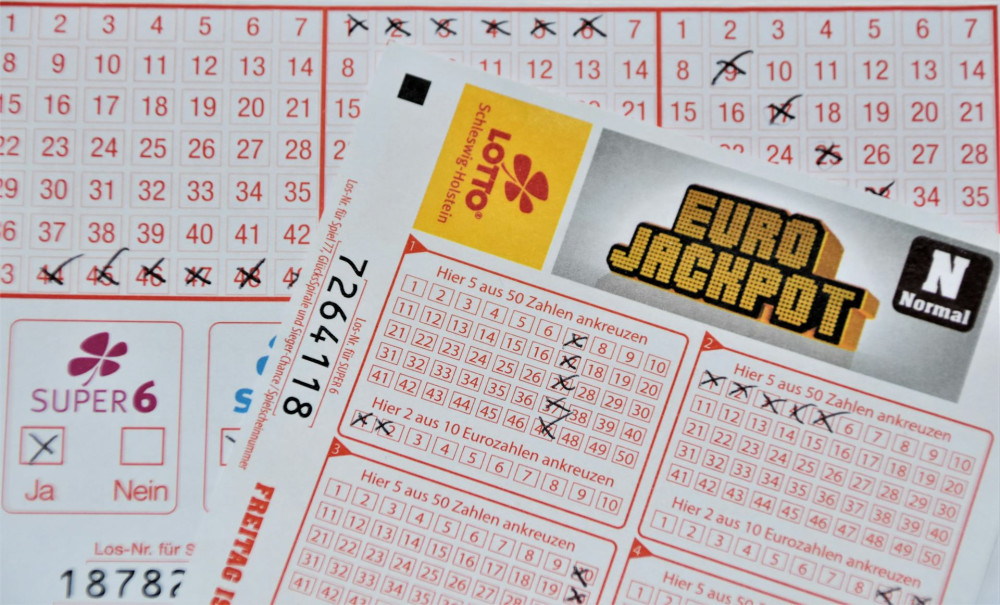
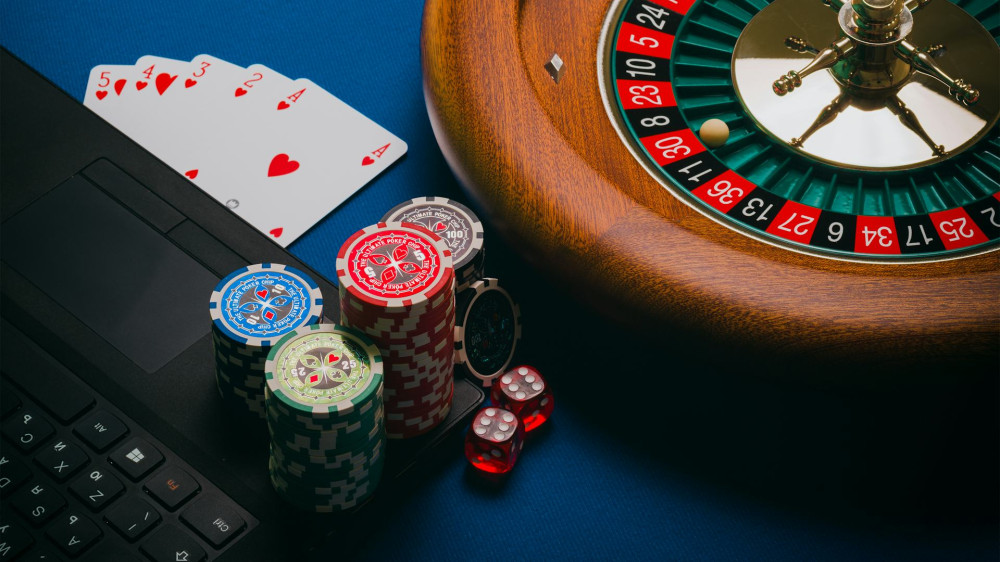
Slot machines can be exciting, colorful, and full of energy. For many people, they’re a fun way to unwind and enjoy a bit of entertainment. But for some, what starts as harmless fun can turn into a habit that’s hard to control. That’s why it’s important to play responsibly — and that begins with setting clear limits on both time and money. Here’s how you can keep your gaming experience enjoyable, safe, and under control.
Understand Why Limits Matter
Slot machines are designed to keep you engaged. The flashing lights, sounds, and near wins can trigger a rush of dopamine in your brain, making you want to keep playing. That’s why setting boundaries before you start is so important — it helps you stay in control rather than letting the game control you.
Setting limits doesn’t mean you can’t have fun. It simply ensures that playing remains a form of entertainment, not a source of stress or financial strain.
Set a Budget — and Stick to It
One of the best ways to play responsibly is to create a gaming budget. This should be an amount of money you can afford to lose without affecting your bills, savings, or daily life. Think of it as money spent on entertainment — like going to a movie or a concert.
- Decide on a fixed amount you’re willing to spend per week or month, and stop when it’s gone.
- Use separate funds or payment methods for gaming, so you don’t dip into money meant for other expenses.
- Don’t chase losses. Trying to win back what you’ve lost often leads to spending more and feeling worse.
Many casinos and online gaming platforms in the U.S. offer tools that let you set personal limits on deposits, losses, and play time. Take advantage of these features — they’re there to help you stay in control.
Manage Your Time Wisely
Just like money, time can slip away quickly when you’re playing. It’s easy to lose track of hours in a casino or while playing online. Before you start, decide how long you’ll play and set a timer or reminder.
- Plan your sessions — for example, 30 or 60 minutes at a time.
- Take breaks — step away, stretch, or get some fresh air.
- Avoid playing when you’re tired, stressed, or upset. Emotions can cloud judgment and make it harder to stop.
Keeping track of time helps ensure that gaming stays a fun activity rather than a routine that takes over your day.
Recognize the Warning Signs
It’s not always easy to notice when gambling starts to become a problem. But there are some common signs to watch for:
- You spend more time or money than you planned.
- You play to escape problems or negative feelings.
- You hide your gambling from friends or family.
- You feel anxious or irritable when you’re not playing.
If any of these sound familiar, it’s important to take them seriously. Help is available — and reaching out is a sign of strength, not weakness.
Get Help if You Need It
No one should face gambling problems alone. In the United States, there are several free and confidential resources that can help:
- National Problem Gambling Helpline – Call or text 1-800-GAMBLER (1-800-426-2537) for 24/7 support and referrals.
- Gamblers Anonymous (GA) – Offers peer support meetings across the country.
- National Council on Problem Gambling (NCPG) – Provides information, self-assessment tools, and links to local treatment options.
If you feel that gambling is taking over your life, reaching out for help can be the first step toward regaining control and balance.
Læs også:

Keep It Fun — Keep It Safe
Slot machines can be a fun and social way to spend your time — as long as you play with awareness and limits. By setting clear boundaries for both time and money, taking regular breaks, and staying mindful of your emotions, you can make sure that gaming remains a positive part of your life.
Remember: the goal isn’t to win big — it’s to have fun in a way that feels safe, balanced, and responsible.
Læs også: