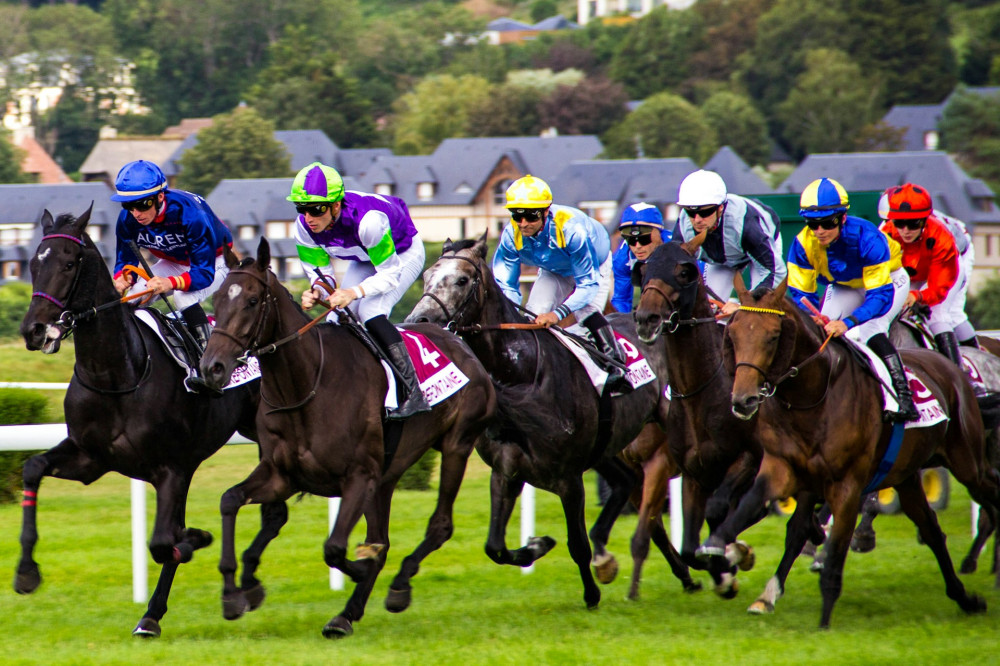
Show Jumping and Safety: Why the Firmness of the Course Matters

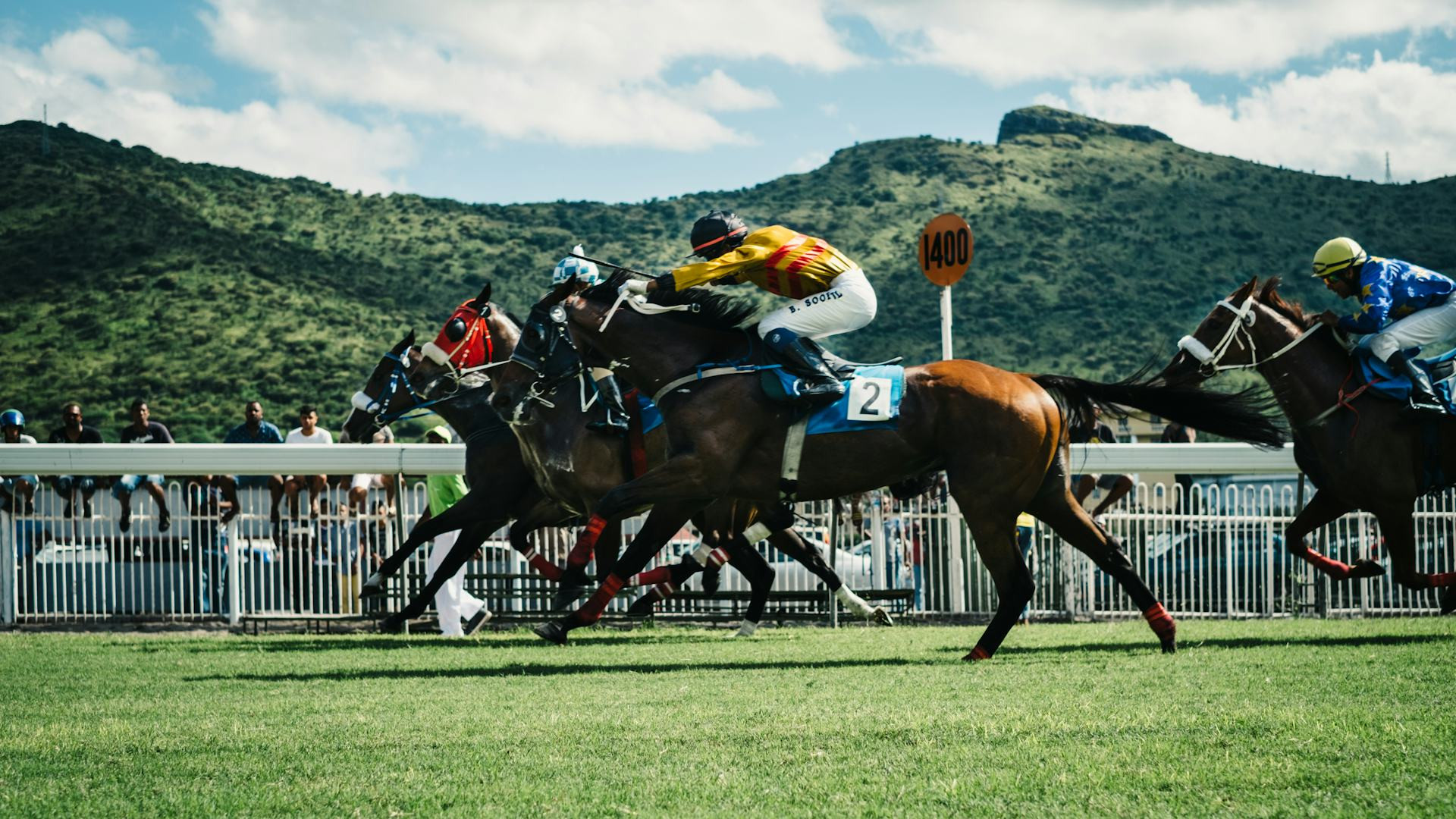
Show Jumping and Safety: Why the Firmness of the Course Matters
When horses and riders soar over fences at high speed, success depends on more than skill and courage—the ground beneath them plays a crucial role. The firmness of the course directly affects both performance and safety, and even small variations in footing can mean the difference between a flawless round and a dangerous fall. This article explores why surface firmness matters, how it’s measured, and what organizers and riders in the U.S. can do to ensure the best possible conditions.
The Footing – The Invisible Factor in Show Jumping
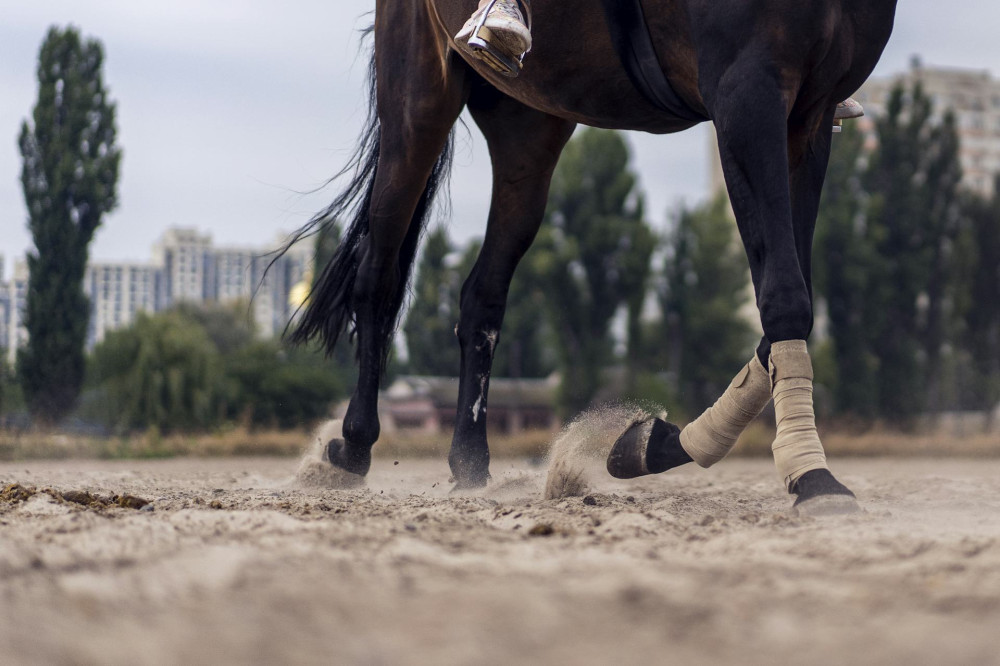
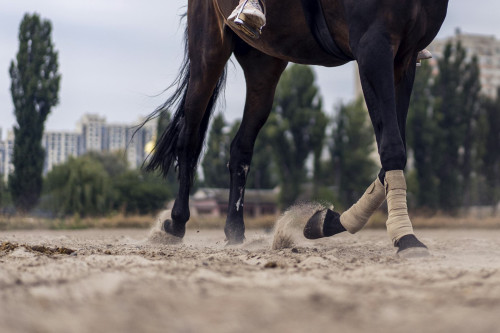
To spectators, a show jumping arena may look the same from one day to the next, but to a horse, subtle differences in the surface are immediately noticeable. A footing that’s too soft demands more energy and can strain tendons and muscles. A surface that’s too hard, on the other hand, sends shock up through the horse’s legs, increasing the risk of joint and hoof injuries.
The ideal footing is firm yet elastic, providing a stable takeoff without being jarring. Achieving that balance requires careful management of materials, moisture, and maintenance.
How Firmness Is Measured
Course firmness is typically measured using a device called a penetrometer, which records how much force is needed to penetrate the surface. These readings help determine whether the footing is too soft, too hard, or within the optimal range.
At major U.S. competitions—such as those governed by the United States Equestrian Federation (USEF) or the Fédération Équestre Internationale (FEI)—officials often test the footing before and during events to ensure consistency. Weather can quickly change conditions: rain can make a surface heavy and slippery, while heat and wind can dry it out, leaving it hard and unforgiving.
Safety for Horse and Rider
A safe surface isn’t just about preventing injuries—it’s also about confidence. When a horse feels secure in its footing, it jumps more willingly and lands more smoothly. An uneven or unpredictable surface can cause hesitation or awkward takeoffs, even in experienced horses.
Research in equine sports medicine has shown that many accidents in show jumping and eventing are linked to footing conditions. That’s why there’s growing emphasis on standardizing and documenting arena quality, from local shows to international competitions.
Maintenance – A Continuous Commitment
Good footing doesn’t happen by chance; it requires constant care. Regular dragging, watering, and material replacement are essential. Many modern arenas in the U.S. use blends of sand, fiber, and rubber to create a more consistent surface with improved drainage compared to traditional dirt rings.
Even so, maintenance must be ongoing. After each competition, the arena should be checked for holes or uneven spots, and moisture levels adjusted to prevent dust or mud. Proper maintenance not only protects horses but also extends the life of the arena.
Læs også:
Technology and the Future of Footing
As equestrian sports become more data-driven, new technologies are emerging to monitor and optimize footing conditions. Sensors can now measure moisture, temperature, and compaction in real time, allowing automated systems to adjust watering and grooming schedules.
Researchers are also developing sustainable materials that provide good shock absorption while reducing environmental impact. These innovations could make it easier to maintain safe, consistent footing across different climates and weather conditions.
A Shared Responsibility
Safety in show jumping depends on many factors, but the firmness of the course is one of the most fundamental. Organizers, riders, trainers, and course designers all share responsibility for ensuring that the footing is safe and well maintained.
For riders, it’s also about knowing their horses and adapting their approach to the conditions. A heavy surface calls for shorter strides and more balance, while a hard surface requires careful turns and controlled landings.
When the footing is right, horse and rider can perform at their best—with greater safety, confidence, and success.
Læs også: