Market Volume and Liquidity: Why They’re Crucial for the Accuracy of Cycling Odds


Market Volume and Liquidity: Why They’re Crucial for the Accuracy of Cycling Odds
When you follow professional cycling and try to judge whether an odd is “right,” it’s easy to focus on the riders’ form, the weather, or the course profile. But behind the numbers on a sportsbook’s page lies another, often overlooked factor: market volume and liquidity. These two concepts play a decisive role in how accurate cycling odds really are—and how difficult it is to find value as a bettor.
What Do Market Volume and Liquidity Mean?
Market volume refers to the total amount of money wagered on a given market—for example, the outright winner of a cycling race. The higher the volume, the more participants are involved, and the more collective information is reflected in the odds.
Liquidity describes how easily you can place a bet without moving the price. On betting exchanges such as Betfair, high liquidity means you can stake large amounts at the listed odds, while low liquidity means even small bets can shift the market.
In practice, the two are closely connected: high volume typically leads to high liquidity—and therefore to more stable and accurate odds.
Why Market Size Affects Accuracy
In major sports like football or basketball, betting markets are enormous. Thousands of bettors, analysts, and algorithms evaluate the same games, and information flows quickly. Odds adjust almost instantly when new information appears—say, an injury or a lineup change.
Cycling, by contrast, often operates in smaller markets. Even major races like the Tour of California or the Tour de Suisse see far less betting activity than an NFL game. That means cycling odds can be “noisier” and more influenced by a bookmaker’s internal model than by the collective wisdom of the market.
When only a few participants are active, a single large bet can move the price significantly. An odd of +900 on an outsider might not reflect a true 10% probability—it could simply be a compromise between the bookmaker’s model and a few large bettors’ opinions.
Examples from the Cycling World
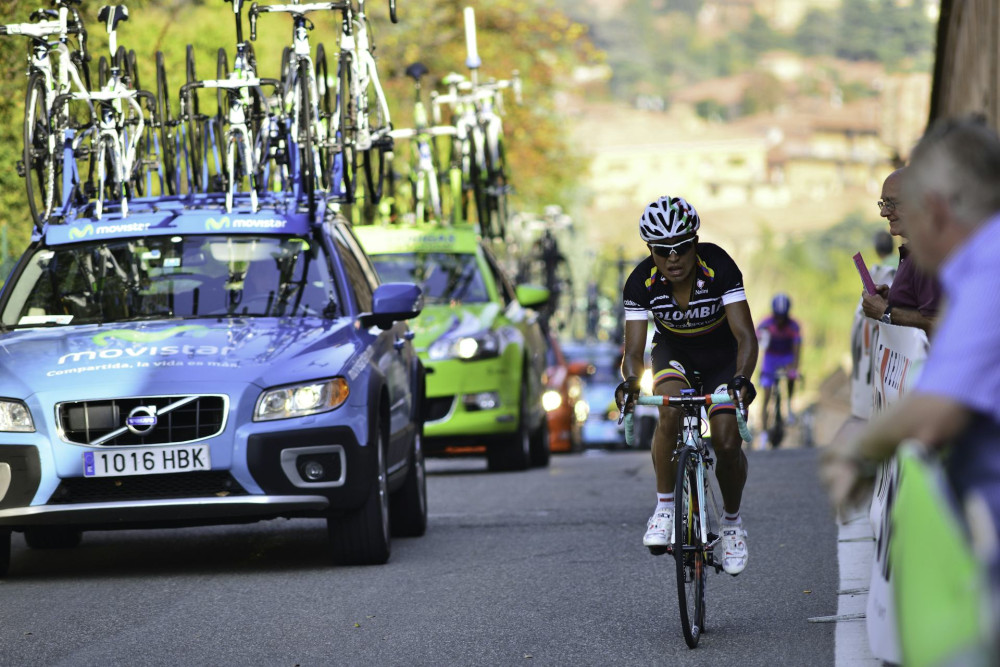
You can see this clearly in smaller stage races or one-day events outside the WorldTour. Market volume can be so low that odds swing dramatically when just one experienced bettor places a sizable wager. That creates opportunities for value—but also risk, because the market may not correct itself quickly.
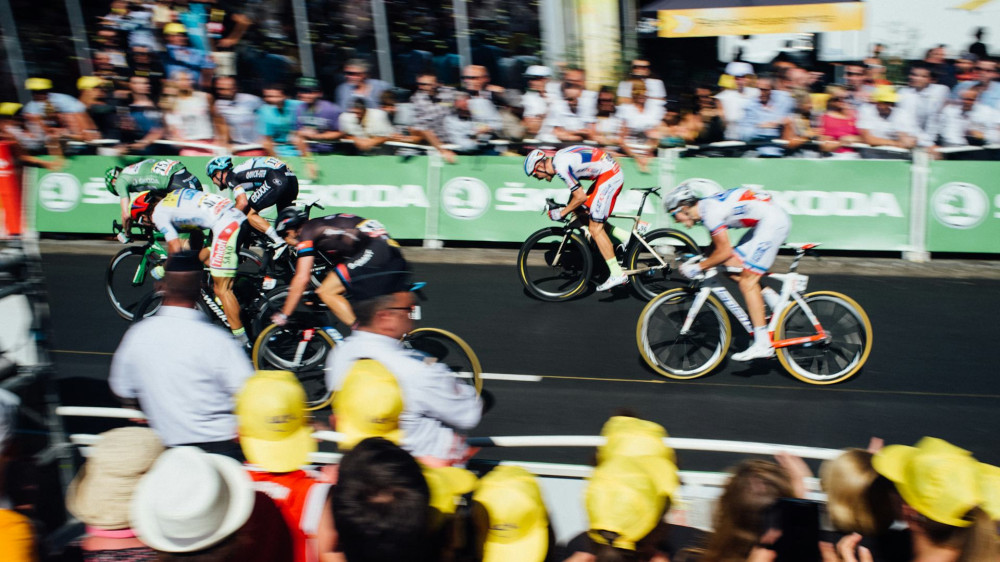
In contrast, during major events like the Tour de France, liquidity is much higher. Thousands of bettors are active, and odds are constantly adjusted as new information emerges. Errors are corrected quickly. That makes it harder to find “mispriced” odds, but it also means the prices more accurately reflect real probabilities.
What It Means for Bettors
For anyone interested in betting on cycling, understanding market volume and liquidity is essential. It tells you how much you can trust that an odd is “fair.”
- Low liquidity means greater volatility and potentially more value—but also more risk, since the market may not be fully informed.
- High liquidity means more stable odds, but fewer mistakes to exploit.
A good rule of thumb is to look at how much money has been matched on the market and how quickly odds move. If you see large price swings after small bets, the market is thin, and you should proceed with caution.
The Market’s Evolution—and the Future of Cycling Betting
Cycling betting is growing, especially in the U.S., where legalized sports wagering continues to expand. As interest increases, so does market volume. More data providers now offer detailed performance metrics on riders, and sportsbooks are improving their race models. This gradually boosts liquidity, particularly for marquee events.
Still, cycling will likely remain more unpredictable and fragmented than the biggest sports. That makes it appealing for analytical bettors who understand the dynamics behind the odds—and who can spot the gap between theory and practice.
Læs også:



Conclusion: A Market in Motion
Market volume and liquidity aren’t just technical terms—they’re the key to understanding how accurate cycling odds really are. The larger the market, the more information it absorbs and the less randomness it contains. But in smaller markets lie the opportunities for those who can analyze better than the average bettor.
Knowing the difference between a thin and a deep market is one of the most important skills for anyone serious about cycling betting. It’s not just about knowing the riders—it’s about knowing the market.
Læs også: